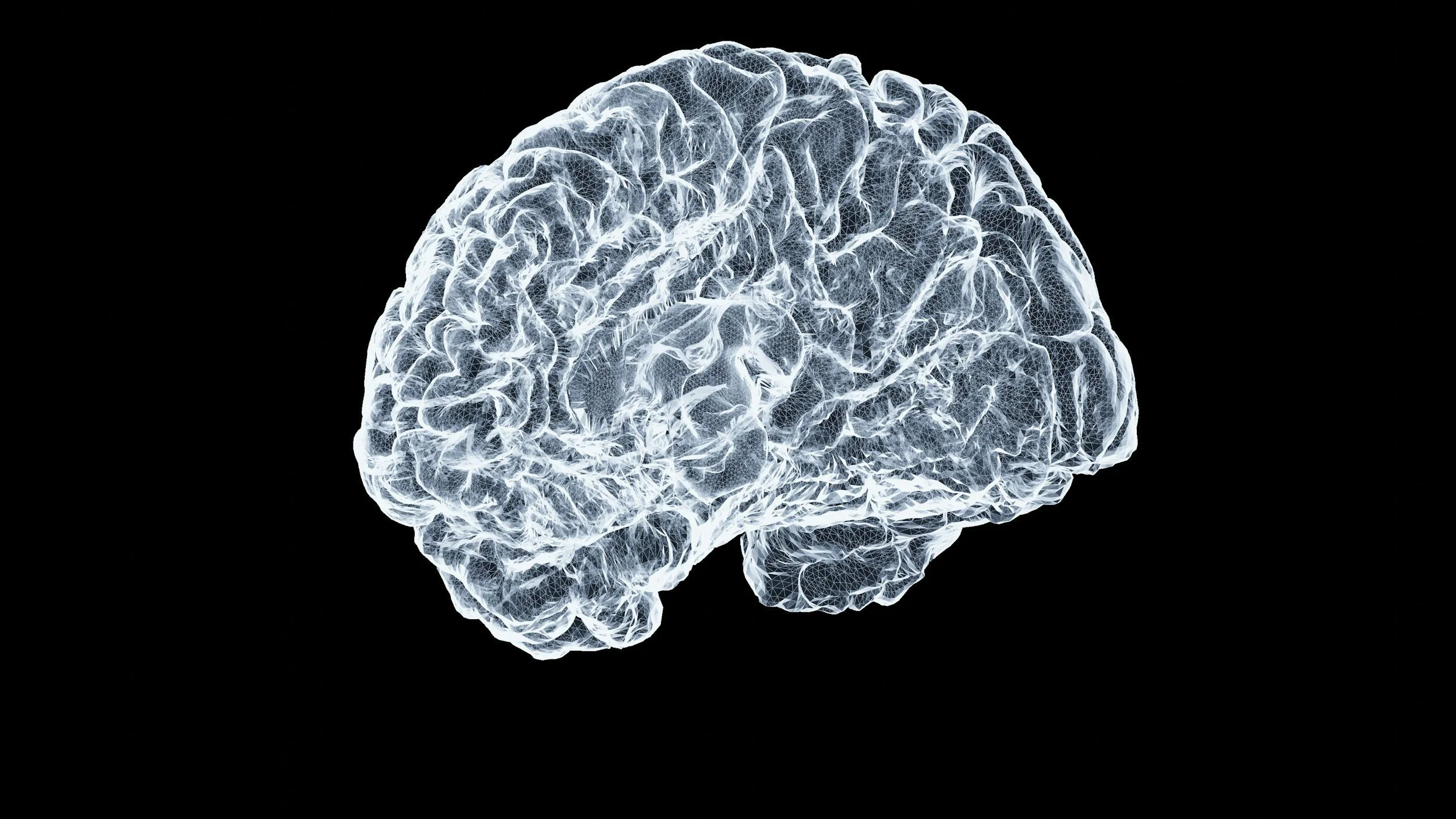
Migraines: A Guide for Students
By Lily Akopyan - November 18, 2026
Migraines.
Often spearing through one’s skull and causing debilitating pain, migraines affect roughly 12% of the world’s population, making them a popular target for scientific research. Although much is still not known about these excruciating headaches, current research aims to answer questions regarding the causes of migraines, the effects they have on daily lives, and the possible ways individuals might overcome them. In this article, I will break down the research that has been conducted, and hopefully provide readers with increased clarity as to how migraines develop and can be treated.
First, what exactly is a migraine?
Well, a migraine is principally characterized as an extremely painful headache, and can often be accompanied by increased visual or auditory sensitivity, fatigue, and nausea. Migraines can last from a few hours to entire days, which means that they can exert a large amount of control over a person’s life - especially if they occur frequently. For someone who regularly endures migraines, everyday tasks like commuting to work, buying groceries, or even walking around one’s home can seem impossible due to constant and debilitating pain. Daily activities therefore become herculean feats, which limits the actions an individual can take while their pain is present.
But, how does a migraine actually happen?
Some researchers claim that the pain that arises from a migraine occurs when the neurons that rest inside one’s skull become activated. In essence, once these neurons are active, they send electrical signals into the brain, which will then interpret these signals and cause an individual to feel a painful sensation.
Although research has been conducted to better understand the underlying mechanisms that give rise to this neuron activation, a definitive consensus for a potential biological pathway remains elusive. Thus, the complete physiological cause of migraines is currently unknown.
Beyond the potential causes of migraines, many migraineurs find that, by keeping detailed diaries of their daily habits, they can pinpoint the triggers associated with their particular pain patterns. For example, one study found that, through the detailed analysis of headache diaries, “50-75% of migraineurs were able to identify factors that provoke their headaches.” These factors included fatigue, stress, specific foods, hormones, alcohol, and weather changes.
When examined through a practical viewpoint, all of these triggers might seem like a complete misstep in the biology of life. After all, why would an organism evolve to be so vulnerable to such a long list of environmental factors? However, some researchers suggest an evolutionarily favorable origin to migraine-causing triggers. The reasoning for this claim is as follows: after receiving a migraine from a specific trigger, an individual is less likely to seek that trigger again - an effect that can be especially useful for avoiding potentially dangerous aspects of one’s environment (such as a poisonous food or a dangerous weather pattern). That organism’s chance for survival therefore increases, which gives them an advantage over their peers and ultimately increases their fitness within their environment.
Of the triggers listed above, fatigue is the most commonly reported cause of migraine, with stress coming in second. However, it is worth mentioning that, according to one study, migraines that are caused by stress are more painful than migraines caused by other triggers.
This association between migraines and stress is further exacerbated in individuals who tend to use internalized coping methods during tense situations. In other words, individuals who do not have healthy, externalized ways of addressing their anxiety (such as sharing their emotional turmoil with their trusted family members or friends) can open themselves up to increased stress, which can ultimately lead to especially painful migraines. Thus, beyond the mere identification of migraine triggers, it is also essential for migraineurs to find ways of directly addressing and alleviating their triggers (whether it be stress, exhaustion, or a specific diet) in order to increase their quality of life.
Stress is especially important to mention here, as it is an emotional state that many college students have encountered. Whether it be due to impending exams or constant assignments, college life can often seem daunting and incessant in its workload - all of which can lead to increased anxiety and can ultimately trigger migraines.
However, research has established two main ways of overcoming anxiety-related migraines: one method is through pharmacological treatment, while the other is through therapeutic treatment. When weighing the pros and cons of these treatments, it is important to note that the latter method emphasizes stress management techniques, and thus does not contain the physiological side effects caused by pharmaceuticals. In addition, therapy provides a more cost-effective approach to stress management, as the techniques learned in therapy can be used by an individual in the long term at no additional cost (while the relief caused by a prescribed medication can require ongoing payments in order to acquire said medication).
In summary, migraines are painful at best and completely debilitating at worst, which allows them to significantly disrupt an individual’s freedom of activity. But, through the careful identification and treatment of triggers, an improved lifestyle can be achieved.
Disclaimer: Many of the studies mentioned above gathered data from participants that self-reported their migraine experiences.
Sources: